
The concept of neuroplasticity has long fascinated scientists and laypeople alike. This remarkable ability of the brain to reorganize itself by forming new neural connections throughout life is at the heart of learning, memory, and personal development. As people delve deeper into the understanding of neuroplasticity, they discover a profound truth: the brain can be trained to alter perceptions, reshape habits, and even change the way individuals interact with the world. This article explores various practices that leverage neuroplasticity to transform perceptions and enhance mental well-being.
Rewiring Perceptions Through Neuroplasticity Practices
Neuroplasticity is not a new discovery, but recent advancements in neuroscience have shed light on how intentional practices can harness its potential. At the core of these practices is the idea that the brain is malleable, capable of change and adaptation. When individuals engage in specific exercises and activities, they can effectively rewire their brains, altering perceptions and improving their quality of life. These practices are accessible to everyone, and they offer a pathway to greater mental flexibility and resilience.
The fundamental principle behind these practices is that repeated experiences create new neural pathways, leading to changes in thought patterns and behavior. By understanding this principle, individuals can take proactive steps to direct their brain’s evolution. This transformative journey requires dedication, patience, and a willingness to explore new ways of thinking. The following sections delve into various practices that can facilitate this process of neural rewiring.
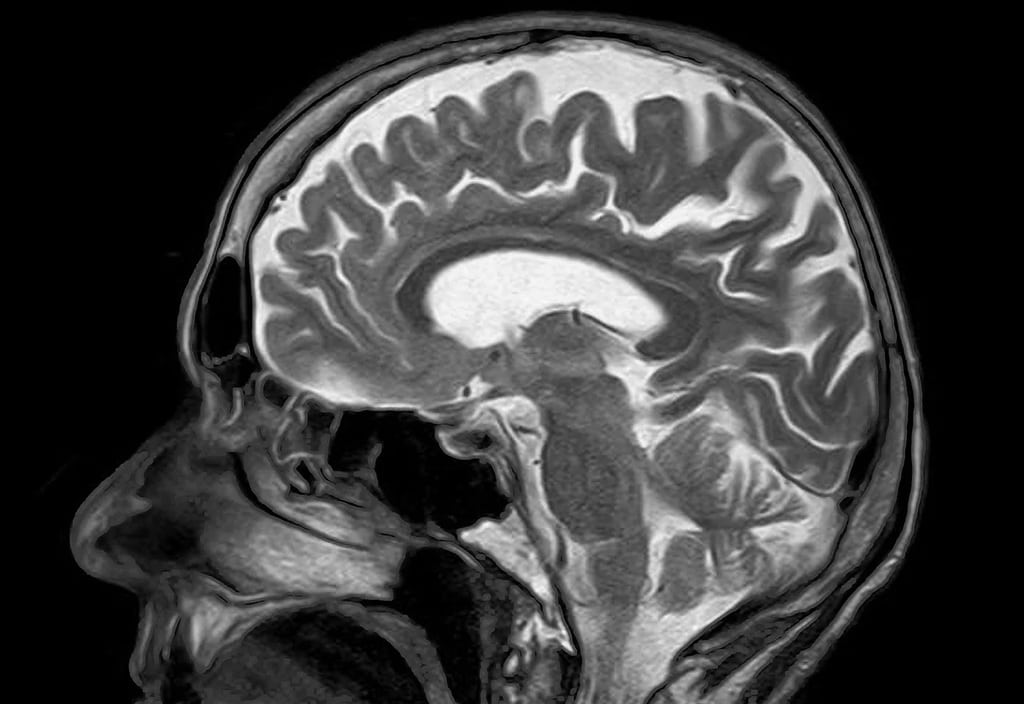
Mindfulness and Meditation Techniques
Mindfulness and meditation are two powerful tools that have gained widespread recognition for their ability to promote neuroplasticity. By cultivating an awareness of the present moment, individuals can learn to observe their thoughts and emotions without judgment. This practice not only enhances emotional regulation but also strengthens the brain’s capacity to adapt to new experiences. Through consistent meditation, people can build new neural connections that promote a more balanced and positive outlook on life.
Meditation encourages the brain to form new pathways by focusing attention and reducing stress. This practice allows individuals to become more attuned to their own cognitive processes, fostering a deeper understanding of how their perceptions are shaped. As these pathways become more established, the brain becomes better equipped to handle challenges and adapt to changes. The benefits of mindfulness practices extend beyond mental health, contributing to overall well-being and personal growth.
Cognitive Behavioral Strategies
Cognitive Behavioral Therapy (CBT) and related strategies provide another effective means of leveraging neuroplasticity. CBT focuses on changing negative thought patterns and behaviors, encouraging individuals to replace them with more constructive alternatives. This process involves identifying cognitive distortions and challenging them through evidence-based techniques. By adopting new ways of thinking, individuals can fundamentally alter their perceptions and improve their mental health.
Through CBT, individuals learn to recognize the connections between thoughts, emotions, and behaviors. By breaking down these connections and restructuring them, people can create healthier patterns of thinking. This approach is particularly beneficial for those struggling with anxiety, depression, or other mental health concerns. The restructuring of thought patterns leads to long-term changes in the brain, demonstrating the profound impact of neuroplasticity.
Practical Steps to Enhance Neuroplasticity
Embracing neuroplasticity involves integrating specific practices into daily life. The following steps can help individuals tap into their brain’s capacity for change :
- Engage in regular physical exercise: physical activity boosts brain health and promotes the growth of new neural pathways.
- Maintain a healthy diet: nutrient-rich foods support brain function and enhance neuroplasticity.
- Challenge the brain with new activities: learning a new skill or hobby stimulates the brain and encourages the formation of new connections.
- Get adequate sleep: quality sleep is essential for memory consolidation and brain recovery.
- Reduce stress through relaxation techniques: practices such as deep breathing and yoga can help lower stress levels and improve brain function.
Incorporating these steps into daily routines can lead to significant changes in brain structure and function. Each of these activities contributes to the brain’s ability to adapt and grow, enhancing mental agility and resilience. Over time, these practices can result in a more empowered and fulfilled life, as individuals learn to navigate their world with renewed perspectives.
Embracing the Journey of Brain Transformation
The journey of rewiring perceptions through neuroplasticity is both challenging and rewarding. It requires a commitment to personal growth and a belief in the brain’s potential for change. As individuals engage in practices that foster neuroplasticity, they embark on a path of self-discovery and transformation. This process is an ongoing one, with each step offering new insights and opportunities for growth.
By embracing neuroplasticity, individuals can gain greater control over their mental processes and develop a more positive outlook on life. The practices explored in this article provide a framework for harnessing this potential, enabling people to reshape their perceptions and enhance their overall well-being. As the understanding of neuroplasticity continues to evolve, so too does the potential for personal transformation.
The power to change perceptions lies within reach, and the journey toward a more adaptable and resilient mind is one that holds promise for anyone willing to explore the possibilities. With dedication and the right practices, the brain’s capacity for change can lead to a more fulfilling and enriched life.